Photos
|
|
|
|
Audio, video communication is preferred by many: Tutorials, reels, vlogs, all sorts of formats, and - terrible indeed - voice messages. Text is still king in my preferences: It occupies very little, it transmits using small bandwidth, it is so much easier to process and digest. It does also leave so much to imagination and reconstruction (less silicon, and more non-reproducible brain compute). Yet, it can be very precise, and concise. Depending on the application, both end members can be valuable in describing something.
Today we take a short break from plain text.
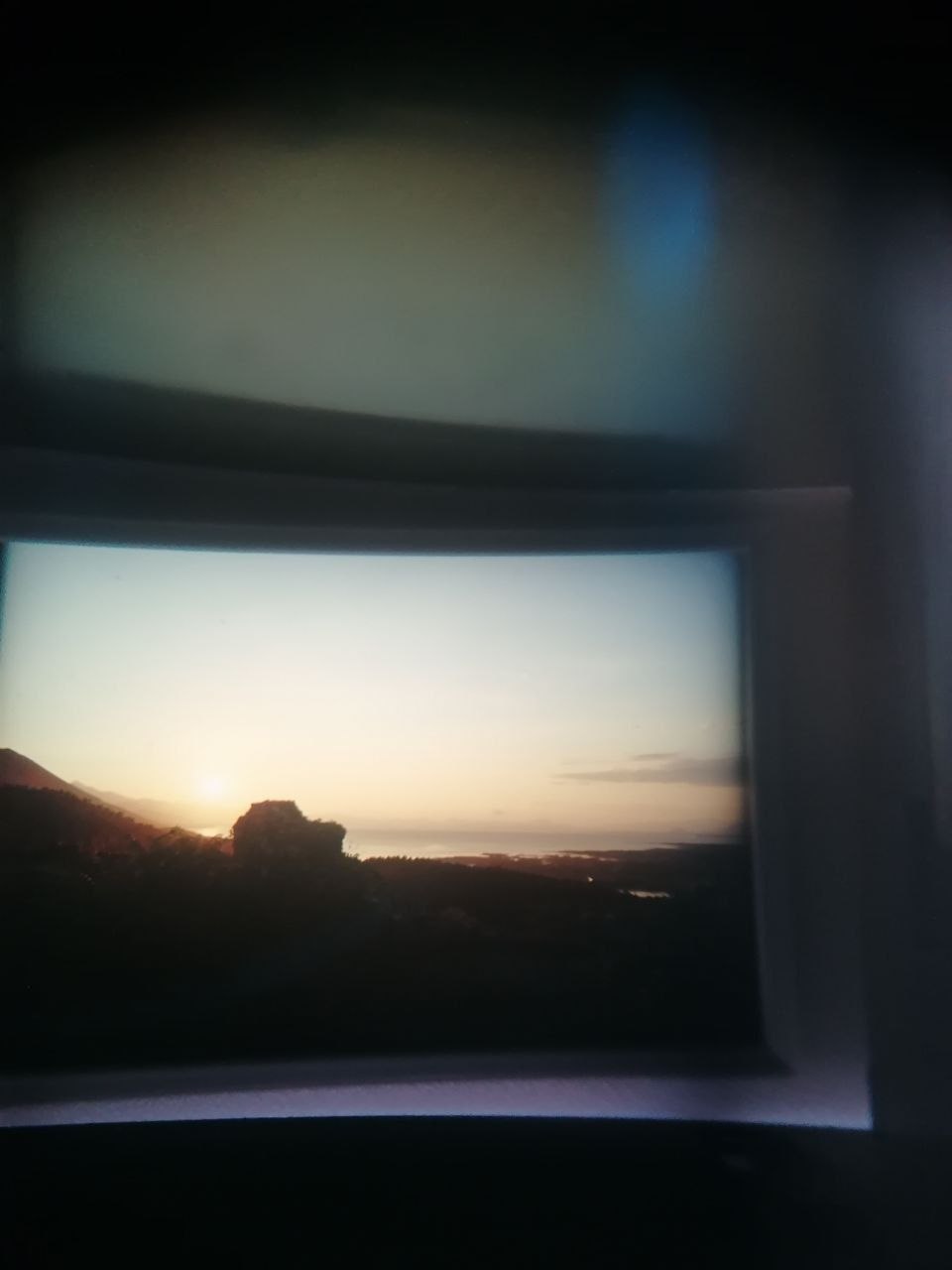
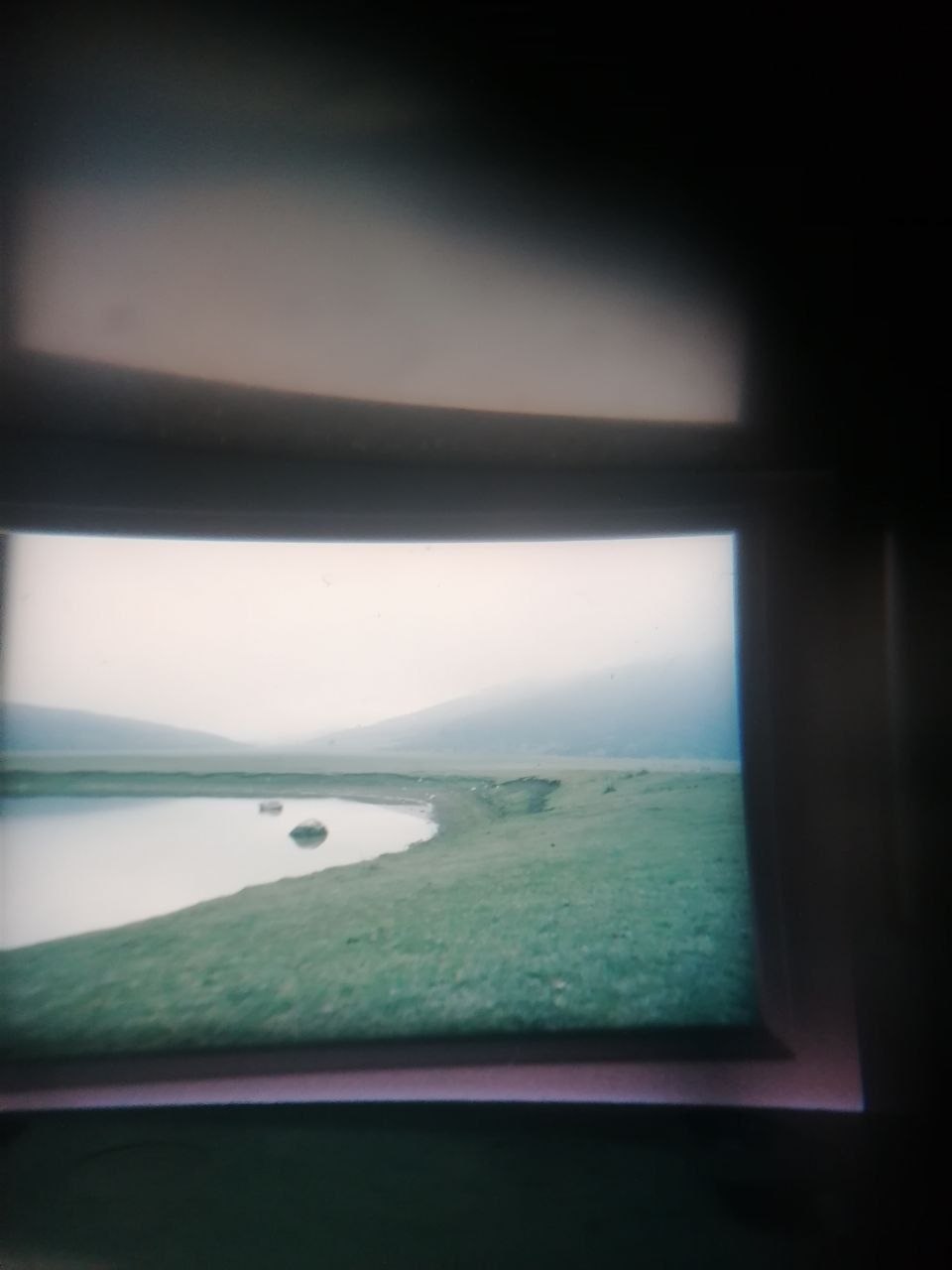
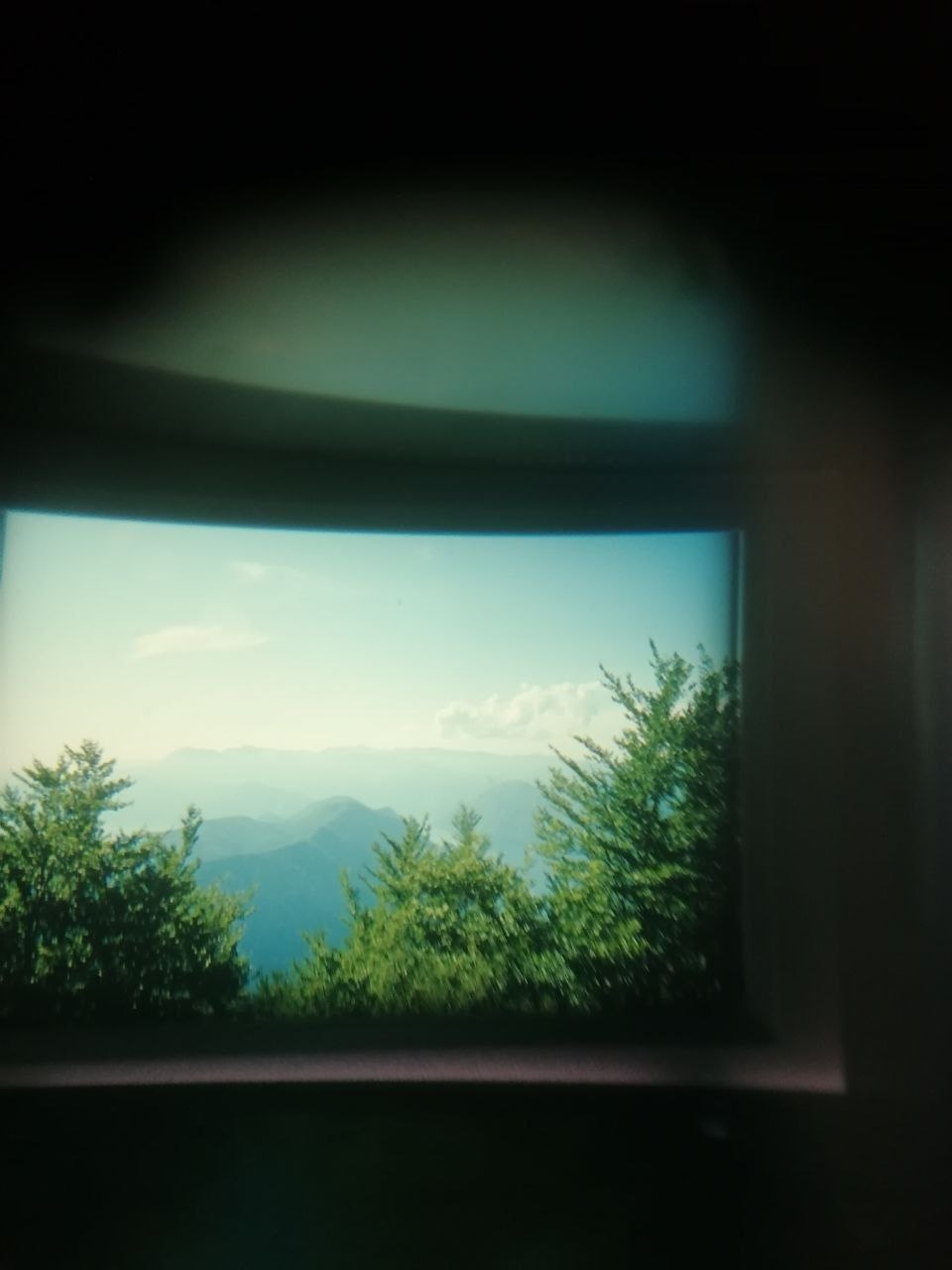
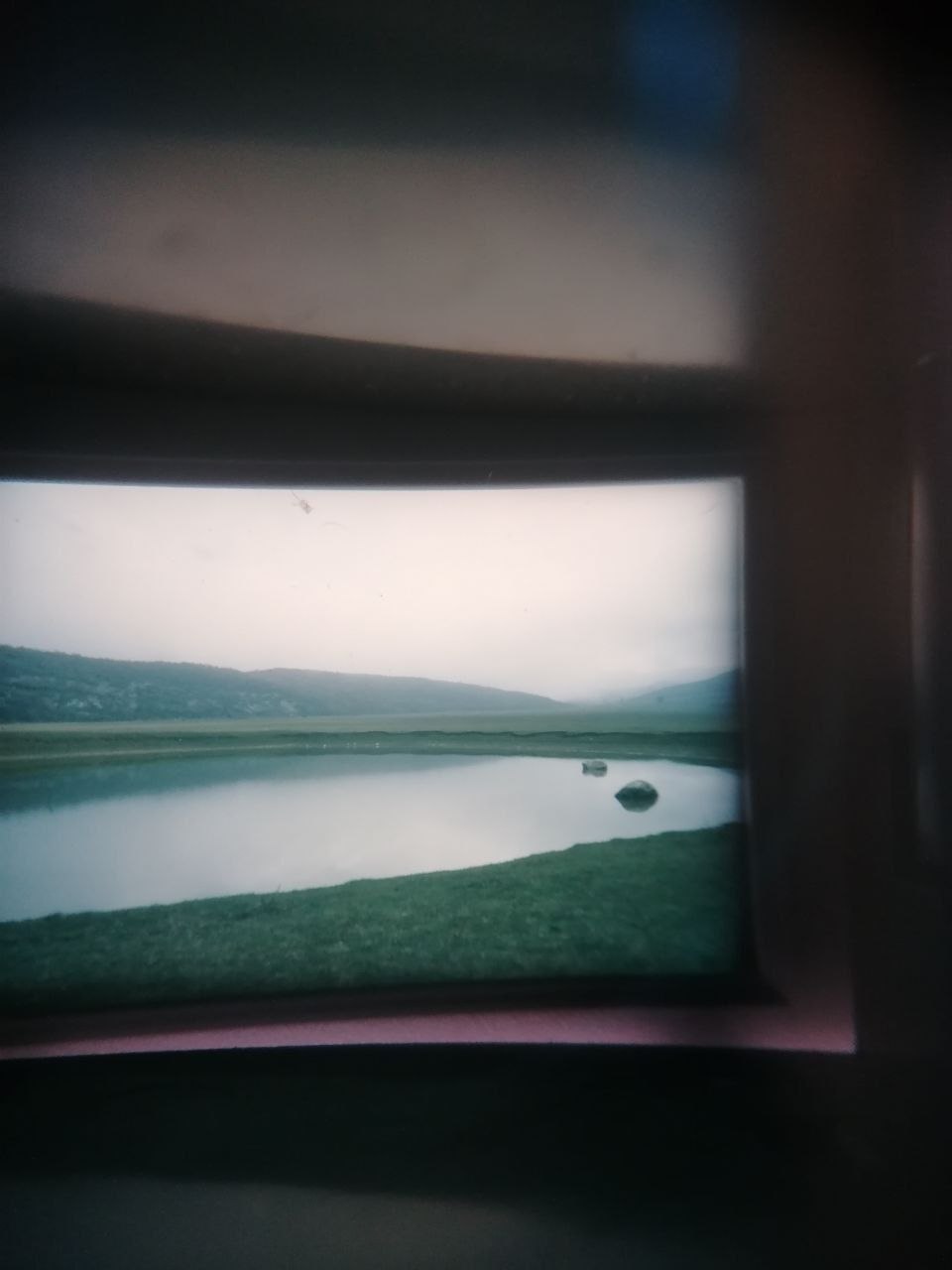
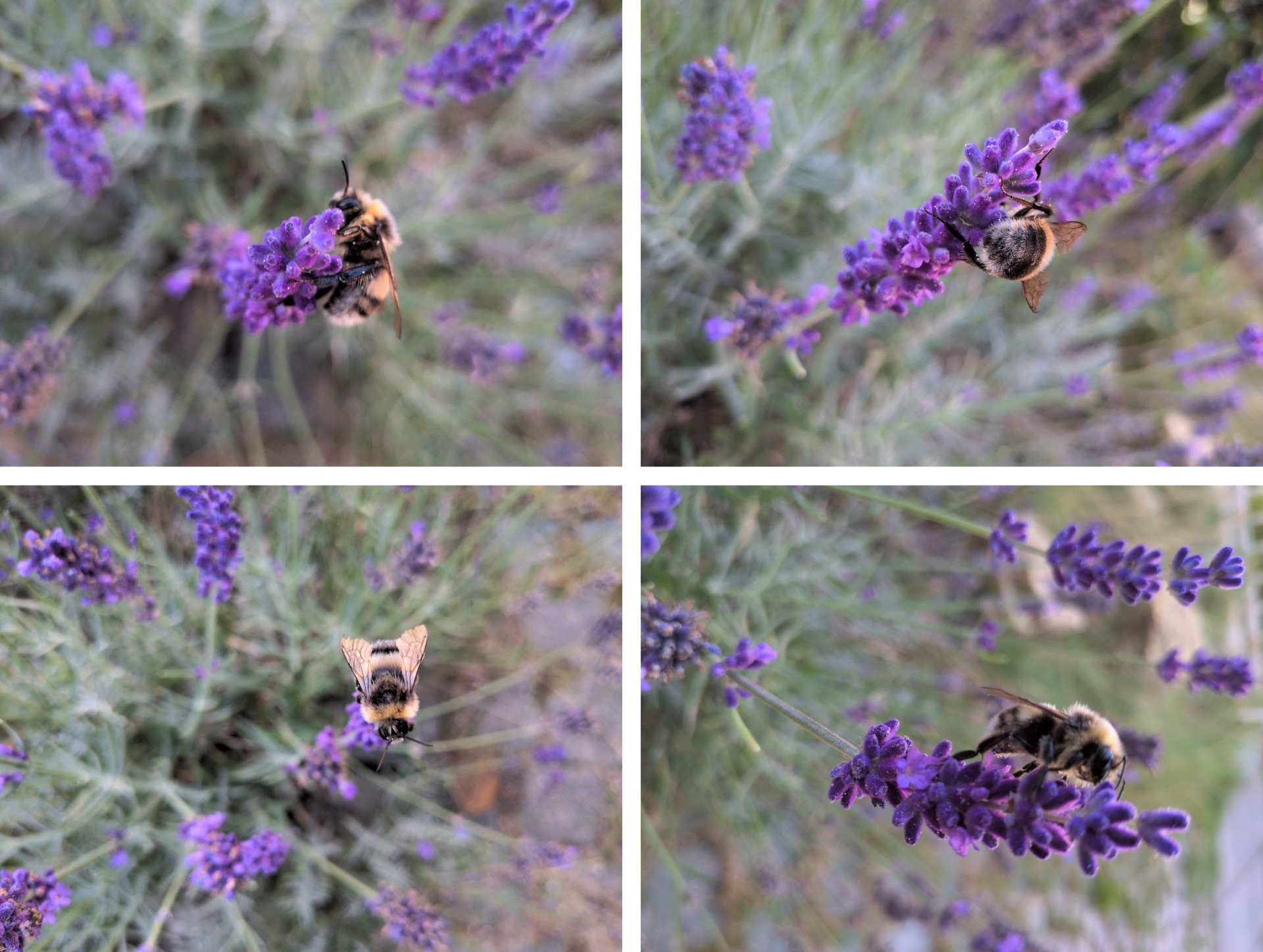
These days the photos above could be just the result of a prompt. Sending one of them around as-is, or cropped to the rectangular 3:2 aspect ratio deformed slide-looking image roughly at their center could result in the question: Which AI (aka Shoggoth) image generation tool did you use to produce them?
And all I used are quarter-century old dust-covered 35mm slides inside a cheap, half-broken plastic slide viewer placed in front of a digital camera embedded in a modern phone. The slide viewer has a budget lens, a translucent back, and a - cheap, again - black plastic body. The latter does reflect a bit though, with strong backlight, as one can see mostly above and minimally below the slide, goofily aligned with the phone camera optics.
Two photos of the same subject, with a slightly different azimuth, two other unrelated places. I bet someone can easily geolocate them - I did not try, and resort to my inevitably fading recollection.
The problem with color photos, slides, compared to black and white is that they don’t put enough distance between now and the past. A two days old black and white photo feels already lost in time. A reasonably old color print might look like taken yesterday, while everyone might well have died a few decades ago already.
This might have affected the processing of individual memories, for a few recent generations. Portraits or - for those who could never afford them i.e. most humans - just nothing beyond mental recordings, were able to set a bit more distance (perhaps a bit too much, for the latter).
Digital color photos, videos, AI-powered ~fake twins based on old photos, videos, audio, and content / contextual info won’t do any good in putting the right distance between what was and what, for a brief while, still is.

This sequence of pictures might mean something to me, or might mean nothing. It does not really matter. Trying to describe them in words, or recount of what/when/where they were about would occupy perhaps less in kilobytes, and more in time. For what? For whom? What might bear importance to me can rightly be valueless for someone else. Particularly when - as it is often the case - we are ghosts to each other.
Still, what consumer low-end phones can nowadays do is remarkable. So we all can make temporarily immortal small things, or creatures. Which, of course, anyone can meanwhile doubt the reality of.
Minimal bibliography Link to heading
Sontag, S. (1977) On Photography, Farrar, Straus and Giroux, 207p.
Yates, F. (1966) The Art of Memory, Routledge and Kegan Paul, 400p, ISBN: 978-0-226-95001-3.